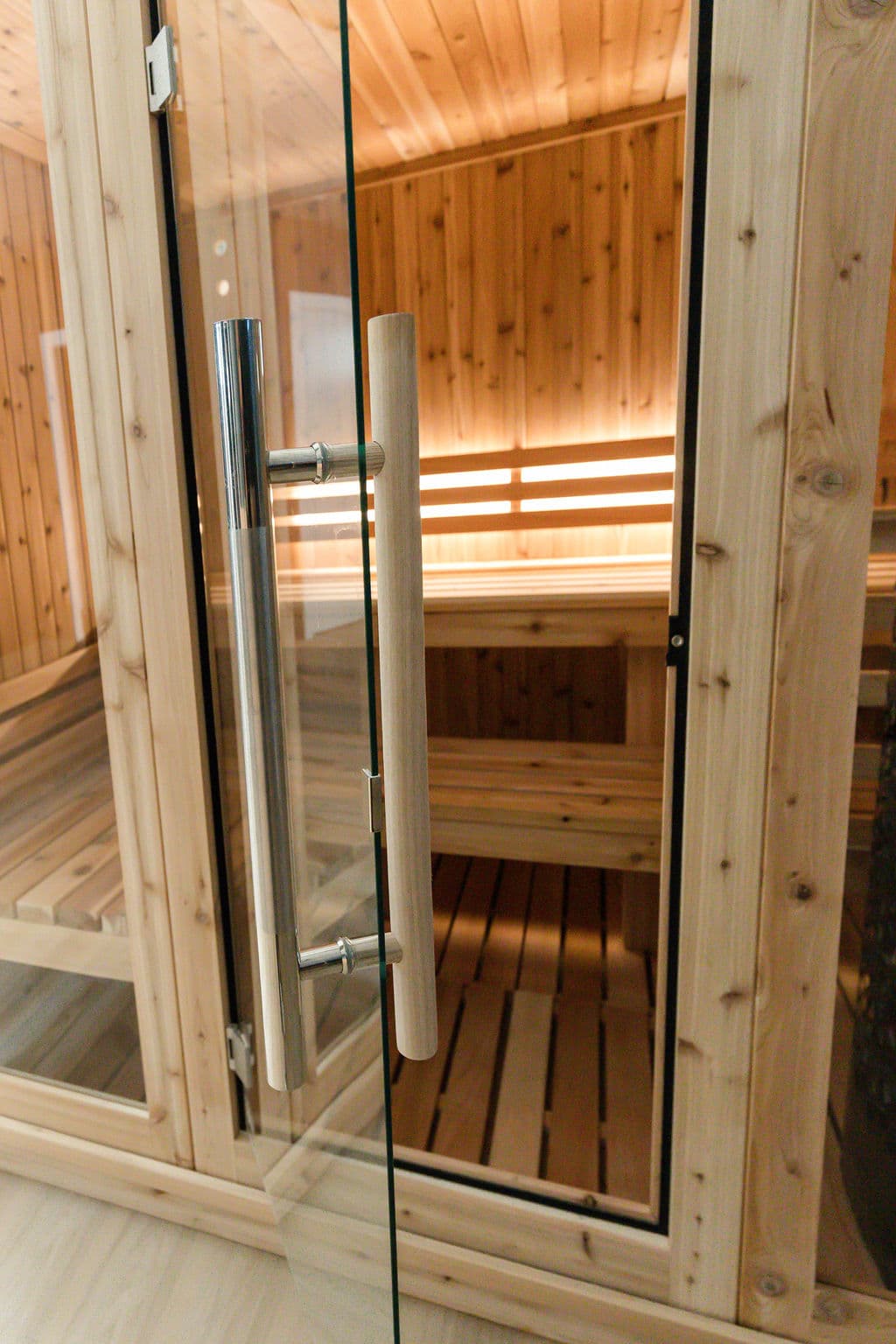
Contrast therapy is simple: alternate between extreme heat and extreme cold. Sauna then plunge. Hot then cold. Repeat.
It sounds brutal. It is — for about 30 seconds. Then something remarkable happens. Your body floods with endorphins, your blood vessels pump like they are exercising on their own, and your mind goes quiet. Not relaxed-quiet. Clear-quiet.
Why Contrast Therapy Works
Your cardiovascular system is built for movement. When you sit in a sauna at 195 degrees, blood vessels dilate. When you step into a 39 degree cold plunge, they constrict instantly. This rapid cycle is essentially a workout for your circulatory system.
A 20-year Finnish study following over 2,300 men found that those who used a sauna 4-7 times per week had 40% lower cardiovascular mortality than those who used it once per week. Add cold exposure and the effect compounds.
What happens in your body during contrast therapy:
Your heart rate elevates in the sauna (similar to moderate exercise), then drops in the cold plunge. This trains your vagal tone — the measure of how well your nervous system switches between stress and recovery. Better vagal tone means better stress resilience, deeper sleep, and faster physical recovery.
Norepinephrine surges during cold exposure — up to 300% above baseline. This neurotransmitter reduces inflammation systemwide and improves focus for hours afterward.
Heat shock proteins activate in the sauna, triggering cellular repair. Cold shock proteins do the same in the plunge. Together, they create a repair response that neither modality achieves alone.
The Debrief Protocol
At Debrief Recovery, contrast therapy means pairing our 195 degree traditional sauna with the Morozko Forge cold plunge at 39 degrees. Not infrared. Not lukewarm. Real heat and real cold.
Start with 15-20 minutes in the sauna. Let the heat build. Your heart rate will climb to 120-140 BPM. Then walk to the Morozko Forge. Step in. The first 10 seconds are a shock. Breathe through it. By 30 seconds, the shock fades. By 2 minutes, you feel calm. Strong. Alert.
Step out. Rest for 2-3 minutes. Then go back to the sauna. Most members do 2-3 rounds. The whole session takes 45-60 minutes.
Who Benefits Most
Athletes use contrast therapy to recover between training sessions. The combination accelerates muscle repair and reduces delayed onset muscle soreness.
High-stress professionals use it to decompress. The forced breathing, the temperature extremes, the absence of phones — it is a hard reset for your nervous system.
Anyone struggling with sleep often finds that an evening contrast session produces the deepest sleep of their life.
Try It Free
Your first contrast therapy session at Debrief is free. 30 minutes, no commitment. We are behind the Valvoline in the Rojo Office Park on Route 1 in Norwood. Free parking right outside.
(774) 372-9266 · Tue-Fri 7AM-8PM · Sat-Sun 10AM-6PM